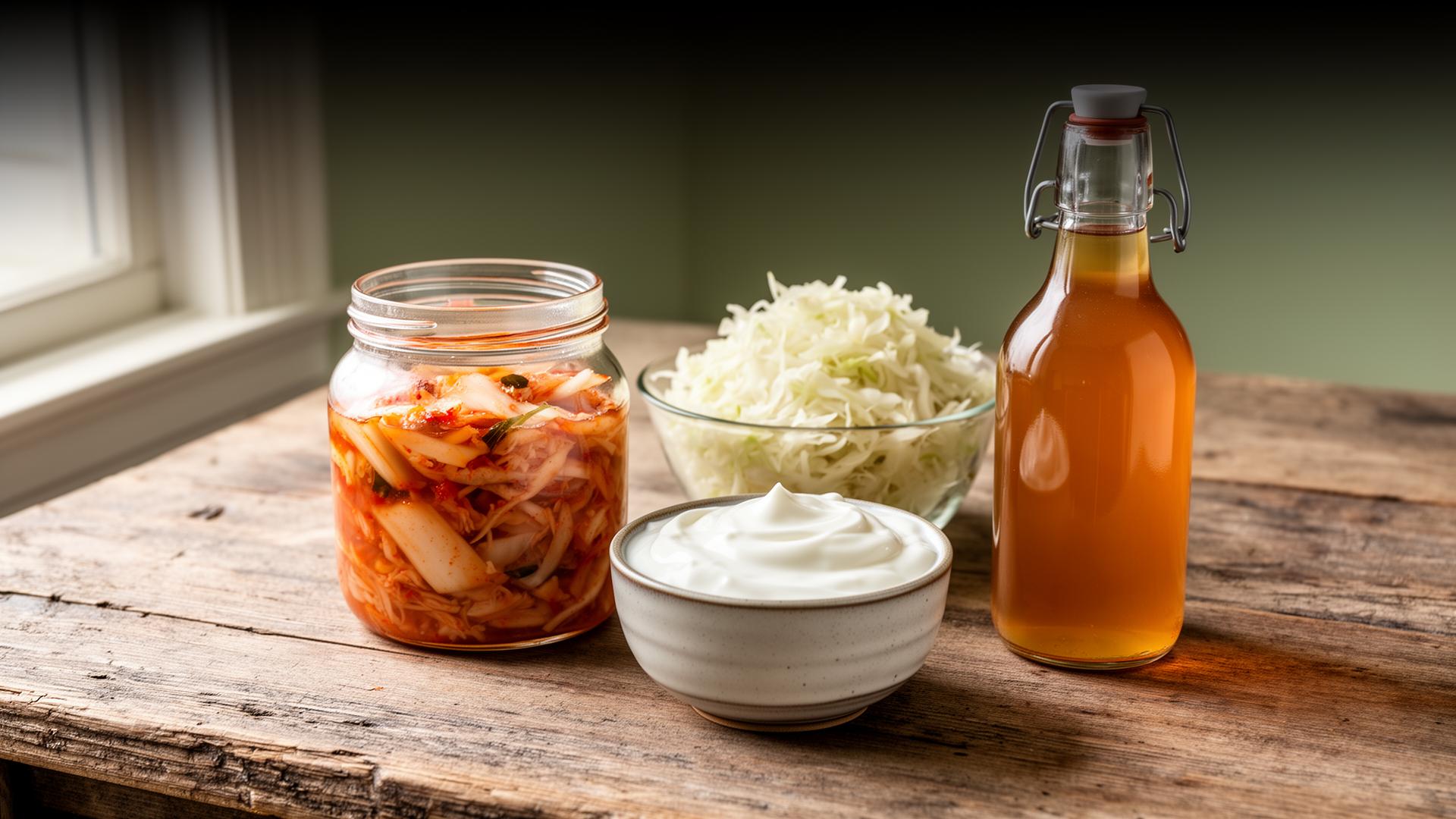
Best Fermented Foods: A Practical Guide to Flavor, Culture, and Gut-Friendly Eating
Fermentation is one of humanity's oldest food traditions—a practice that transforms simple ingredients into complex, flavorful foods cherished across cultures. Explore the art and science of cultured foods.
What You'll Find Here
The complete definition, science, and examples — everything you need to understand fermentation from the ground up.
Start here →The top fermented foods ranked by category — from kimchi and kefir to miso and tempeh. Find your favorites.
See the list →Never fermented anything? This step-by-step guide walks you through your first project from equipment to technique.
Get started →Every culture on Earth developed fermentation traditions. Explore them all in our country-by-country guide.
Explore →Explore By Category
Start Here: Complete Guide to Fermentation
Understand the fermentation definition, process, types, and real-world examples in one comprehensive resource.
Understanding Fermentation
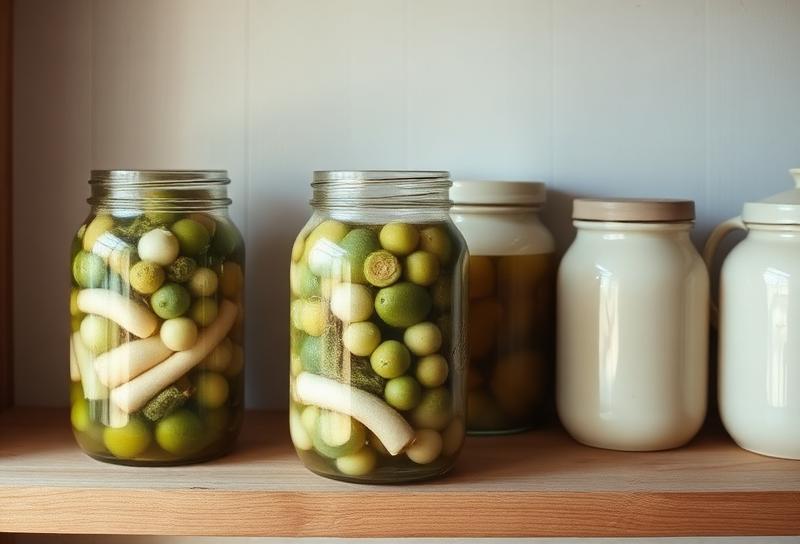
At its core, fermentation is a natural process where microorganisms—like bacteria and yeasts—transform sugars and starches into acids, gases, or alcohol. This ancient technique has been used for thousands of years to preserve food, enhance flavors, and create entirely new culinary experiences.
Natural Science
Beneficial bacteria and yeasts work together to transform ingredients through time-tested natural processes.
Rich Flavors
Fermentation creates complex, tangy, umami-rich flavors that elevate dishes and offer unique taste experiences.
Cultural Heritage
Every culture has its fermented traditions—from Korean kimchi to German sauerkraut, connecting us through food.
Why Fermented Foods Matter
Culinary Tradition
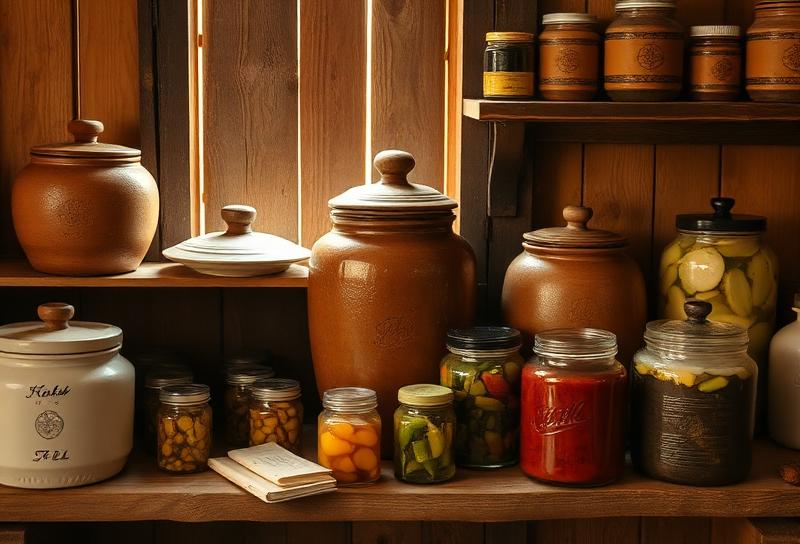
Fermented foods represent some of humanity's oldest culinary traditions. From the miso of Japan to the cheese caves of France, these techniques have been refined over millennia.
Complex Flavors
The fermentation process creates depth and complexity in food—tangy notes, umami richness, and subtle nuances that simply cannot be achieved through other cooking methods.
Natural Preservation
Before refrigeration, fermentation was essential for preserving seasonal harvests. Today, it remains a sustainable way to extend the life of fresh ingredients.
Digestive Cultures
Fermented foods contain live cultures that have been part of traditional diets worldwide. Many people find these foods are a pleasant addition to their eating habits.
How We Evaluate Fermented Foods
Our approach to discussing fermented foods focuses on tradition, quality ingredients, and proper preparation methods.
- 1Quality Ingredients
We prioritize foods made with whole, recognizable ingredients—fresh vegetables, quality dairy, and traditional starters.
- 2Traditional Methods
We value fermentation techniques passed down through generations, respecting cultural origins and time-tested processes.
- 3Authentic Preparation
True fermentation takes time. We distinguish between genuinely fermented products and those merely flavored with vinegar or acids.
Explore Fermented Foods by Category
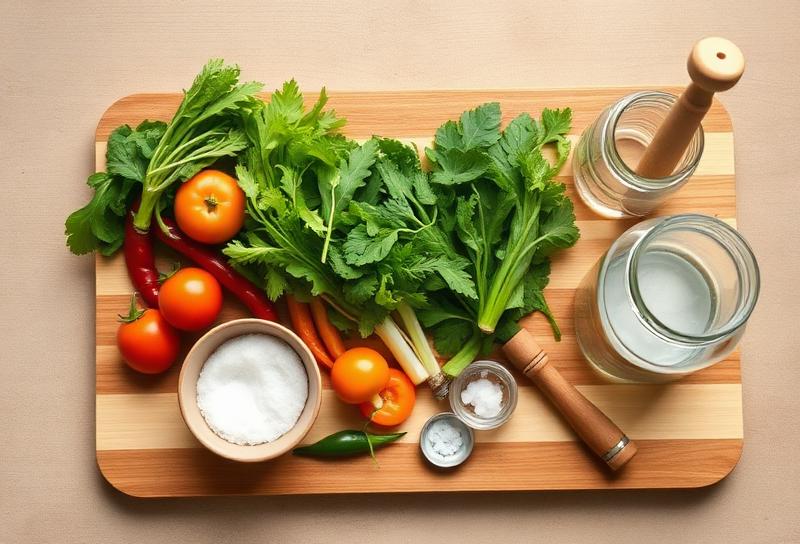
From creamy dairy ferments to crunchy pickled vegetables, discover the diverse world of cultured foods across traditions and cuisines.
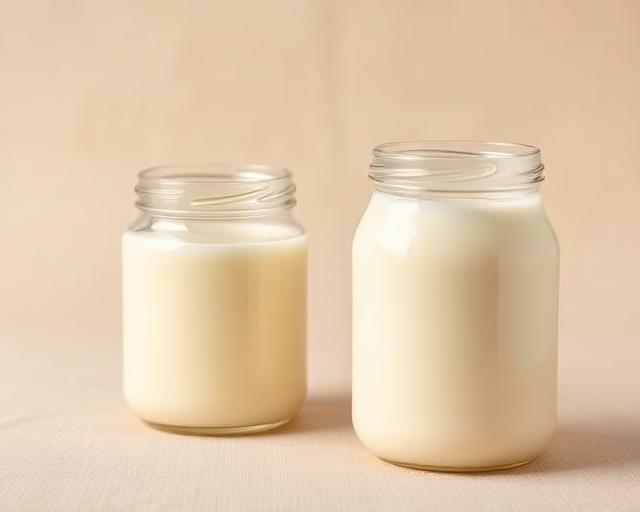
Dairy Ferments
Cultured milk products from traditions around the world.
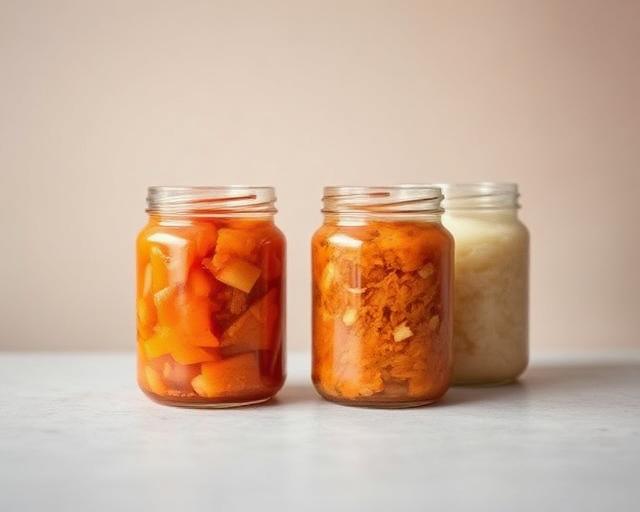
Fermented Vegetables
Crunchy, tangy vegetables preserved through lacto-fermentation.

Fermented Beverages
Traditional drinks crafted through careful fermentation.
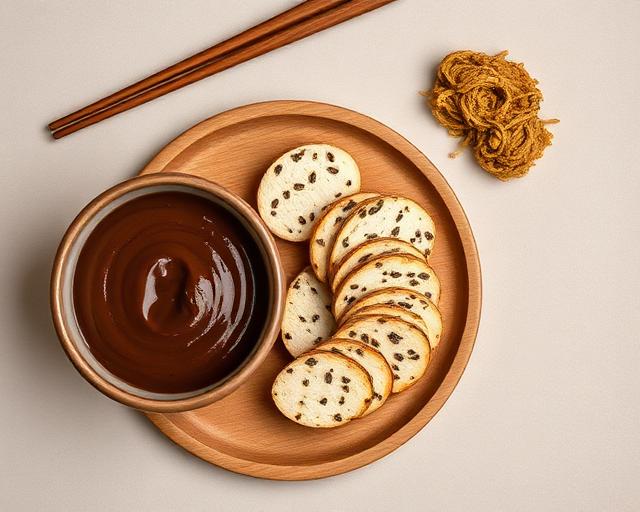
Soy & Legume Ferments
Ancient Asian fermentation traditions with beans and grains.
Get Fermentation Tips & Recipes
Join our newsletter for practical guides, traditional recipes, and fermentation tips. No spam, just good food.
We respect your privacy. Unsubscribe anytime.
Affiliate Disclosure: Some links on this site are affiliate links. If you purchase through these links, we may earn a small commission at no extra cost to you. We only recommend products we believe in, such as fermentation kits, books, and kitchen tools. We do not promote supplements or medical products.